

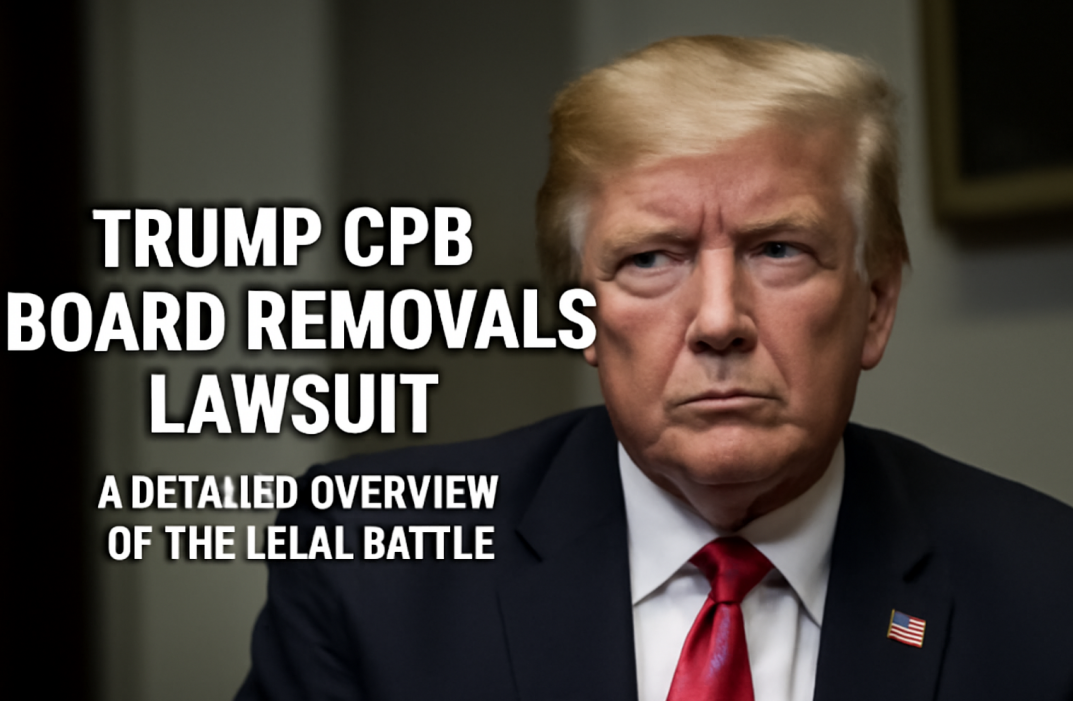
In the high-stakes world of politics and legal disputes, the Trump CPB Board Removals Lawsuit stands as one of the most talked-about issues in recent times. The lawsuit revolves around controversial decisions regarding the removal of members from the Customs and Border Protection (CBP) Advisory Board under the Trump administration. This article takes an in-depth look into the lawsuit’s implications, legal proceedings, and the broader political context surrounding it.
Understanding the Trump CPB Board Removals Lawsuit
In Trump CPB Board Removals Lawsuit The Customs and Border Protection (CBP), a critical federal agency under the Department of Homeland Security (DHS), is responsible for safeguarding U.S. borders. The CBP Advisory Board serves a vital function in advising the agency on various matters, including policy recommendations and the enforcement of border security measures. However, during the Trump administration, several members of the board were removed, sparking legal challenges and public outcry.
The Trump CPB Board Removals lawsuit focuses on these removals, questioning the legality and motives behind them. The plaintiffs argue that the removals were conducted unlawfully, citing potential violations of both constitutional rights and statutory regulations governing such actions.
The Legal Grounds for the Lawsuit
The legal action against the Trump administration’s removal of CBP advisory board members is built on multiple allegations, primarily surrounding due process violations and executive overreach. The lawsuit asserts that the removals were carried out without proper legal procedures and transparency, which is mandatory under both federal law and the Constitution.
Due Process and the Removal Process
Due process is a cornerstone of U.S. law, particularly when it involves government actions that affect individuals’ rights and positions. The plaintiffs in this case argue that the Trump administration’s abrupt removal of several board members violated their right to due process. Under federal law, certain procedures must be followed when removing individuals from appointed positions, especially those serving on advisory boards.
The lawsuit claims that there was a lack of clear justification for these removals, leading to accusations of political interference and abuses of power. This is a significant point, as it raises concerns about the integrity of government institutions and their ability to act impartially, free from political influence.
Political Implications of the Lawsuit
The lawsuit goes beyond legal technicalities—it also touches upon broader political themes, particularly the role of advisory boards in shaping policy decisions. The CBP Advisory Board is supposed to offer independent advice to the agency, but many have argued that the Trump administration used the removals as a tool to mold the board to align with its political agenda.
The decision to remove certain board members was met with strong opposition from Democratic lawmakers and civil rights groups, who saw it as an attempt to sideline voices critical of the administration’s immigration policies. These removals are part of a larger pattern of actions that critics say were designed to centralize power and stifle dissent within federal agencies.
Impact on Immigration Policy
The Trump administration’s immigration policies were one of the most divisive issues of his presidency. By removing board members who may have held differing views, there was a tangible shift in the advisory body’s composition. This, according to critics, had a direct impact on the policies that were ultimately proposed and enacted.
For instance, the CBP Advisory Board members who were removed were often those with expertise in civil rights, immigrant advocacy, and border security reforms. Their removal meant that the advisory board, in theory, became more aligned with the administration’s tough stance on immigration enforcement. The lawsuit thus serves as a critique of these changes, suggesting that the policy recommendations made by the CBP Board may have been unbalanced or biased due to the influence of political motives.
The Broader Legal Context of Board Removals
In examining the Trump CPB Board Removals Lawsuit, it’s essential to consider the broader legal context of advisory board appointments and removals in the U.S. government. Advisory boards are generally seen as a mechanism for providing expert advice to federal agencies. Their independence is crucial to ensure that policy decisions are based on sound advice, free from partisan pressures.
Federal law governing the appointment and removal of board members is clear in many instances, requiring that such actions be carried out in a manner that respects due process and the principles of fairness. When these laws are perceived to be violated, it raises significant concerns about the integrity of the decision-making process and the potential for undue political influence.
Executive Power and Limitations
The question of executive power plays a central role in the Trump CPB Board Removals lawsuit. The presidential authority to make appointments and removals within federal agencies is broad, but it is not without limits. The lawsuit argues that the executive branch’s actions overstepped constitutional bounds, particularly with respect to the separation of powers and the checks and balances embedded in the U.S. Constitution.
The lawsuit’s claims center around the idea that the Trump administration exercised its executive authority in a manner that not only violated procedural norms but also undermined the democratic process by removing board members who provided alternative perspectives on immigration and border control.
Legal Challenges and Possible Outcomes
As with any high-profile lawsuit, the Trump CPB Board Removals Lawsuit case faces several legal hurdles. While the plaintiffs argue a strong case based on constitutional principles, the outcome will depend largely on the legal interpretations of due process, executive power, and the role of advisory boards in shaping public policy.
One of the critical issues at play is the standing of the plaintiffs—whether they have the legal right to bring the case forward in the first place. Additionally, the case will require an examination of the extent of executive authority in making removals from federal advisory boards and whether such removals must adhere to specific statutory procedures.
Potential Impact on Future Advisory Board Actions
The outcome of the lawsuit could have significant consequences for future executive branch actions regarding advisory boards. A ruling in favor of the plaintiffs may reinforce the idea that advisory boards must remain independent from political influence and that due process is essential in the removal of members from such boards. On the other hand, a ruling in favor of the Trump administration may set a precedent for executive actions that prioritize political alignment over independent advisory processes.
Conclusion: What’s at Stake in the Trump CPB Board Removals Lawsuit
The Trump CPB Board Removals Lawsuit is a critical legal challenge that not only questions the legality of the removals but also raises fundamental issues about the integrity and independence of federal advisory bodies. It reflects broader concerns about the role of politics in shaping immigration policy and the potential for executive overreach. The outcome of this case will likely reverberate throughout the federal government, influencing how advisory boards are structured and how they influence policy decisions.
The case serves as a reminder of the delicate balance between executive power and legal safeguards that ensure fair governance. As the legal battle continues, all eyes will be on the outcome, as it could shape the future of immigration policy and the role of advisory boards for years to come.
















Leave a comment