

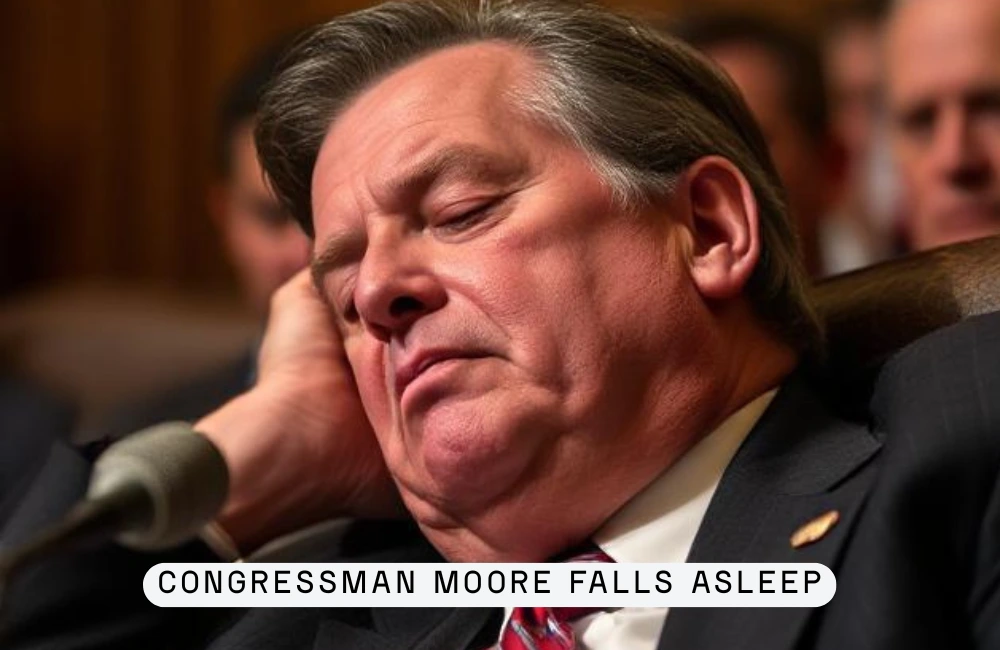
Today we are talking about congressman moore falls asleep. In today’s fast-paced digital world, even the smallest moments of human vulnerability can instantly become viral sensations. This was evident when Congressman Moore fell asleep during a live congressional session, an incident that rapidly drew widespread public attention and ignited intense debate. What might have been a brief, private lapse quickly transformed into a headline-grabbing event, highlighting the power of social media to amplify and sometimes distort such moments. This article takes a closer look at the incident, focusing not only on Congressman Barry Moore himself but also the broader political context in which it occurred. It examines how media outlets covered the story, the public’s reaction, and the deeper issues it raises about the realities of political life today. The episode shines a light on the immense pressures elected officials face, the high standards to which they are held, and the sometimes unforgiving nature of public scrutiny. Additionally, it prompts reflection on media sensationalism and the way viral moments can overshadow more substantive discussions about governance and public service. Ultimately, this analysis seeks to provide a balanced and thoughtful perspective on a moment that captured the nation’s attention.
For ongoing political news and analysis, visit Note Ripple News.
Who Is Congressman Barry Moore?
Barry Moore has served as the Republican representative for Alabama’s 2nd congressional district since January 2021. Known for his staunch conservative views, Moore champions traditional family values, limited government, and strong support for rural communities, veterans, and pro-life policies.
Before his congressional career, Moore accumulated experience in business and military service, establishing himself as a leader focused on ethical governance and economic development. His prior tenure in the Alabama state legislature was marked by persistent advocacy for pro-business legislation and conservative social policies—a foundation that propelled his ascent in Alabama politics.
Understanding Moore’s background helps contextualize both his political stance and the pressures he faces in public office.
The Incident: Congressman Moore Falls Asleep During a Budget Hearing
The moment that brought Congressman Moore falls asleep into the viral spotlight occurred during a prolonged congressional budget hearing. Live footage broadcast by C-SPAN showed Moore with his eyes closed and head slouched briefly, appearing to fall asleep for about 30 seconds.
Despite its brevity, the clip rapidly became viral on social media platforms. Hashtags like #MooreNap and #SleepyCongress trended, while memes and commentary flooded Twitter, Instagram, and Facebook. Supporters argued the episode was a minor lapse resulting from exhaustion amid grueling work schedules. Critics, however, saw it as a symbol of disengagement and lack of respect for congressional duties.
Congressman Moore Falls Asleep: Media Coverage and Public Discourse
The incident received considerable media coverage from influential outlets such as Politico, The Hill, and CNN. Headlines varied from sensationalist—“Congressman Moore Falls Asleep on the Job”—to analytical pieces discussing the broader implications of fatigue and ethics in government.
This media attention intensified public debate, dividing opinions between outrage and empathy. Political analysts cautioned that isolated moments like this are often blown out of proportion, ignoring the demanding realities of legislative work, which includes sessions that last for hours and sometimes extend late into the night.
For a deeper examination of media impact on politics, see Pew Research Center’s report on media and public opinion.
Congressman Moore Falls Asleep: The Reality of Political Fatigue
Serving in Congress is not only a high-profile position but also an exhausting one. Members must juggle committee responsibilities, constituent services, legislative sessions, and frequent travel between Washington, D.C., and their home districts.
According to sources close to Moore, he endured a 14-hour travel day prior to the session, followed by consecutive meetings—factors that likely contributed to his fatigue. This insight humanizes the incident but does not absolve the responsibility of maintaining professionalism in public office.
Similar episodes of fatigue have been recorded among other prominent politicians. For instance, President Joe Biden and Senator Dianne Feinstein have faced similar scrutiny regarding moments of tiredness during official events. What made Moore’s video stand out was the speed and scale of its viral spread.
Congressman Moore Falls Asleep: Political Reactions and Opponent Responses
Democratic opponents wasted little time leveraging the incident politically, framing it as indicative of “Republican negligence.” The clip was featured in campaign advertisements and fundraising appeals, presenting Moore’s lapse as symptomatic of a broader disengagement from governance.
Despite the criticism, no formal ethics complaints or investigations have been filed. Meanwhile, members of Moore’s party defended him, emphasizing that political life has become overly performative and that a brief human error should not overshadow a legislator’s hard work.
One Republican lawmaker noted, “Barry Moore is one of the hardest-working members of this chamber. Closing his eyes for 30 seconds does not define his dedication.”
Congressman Moore Falls Asleep: The Viral Power of Short Video Clips and Social Media Outrage
A key takeaway from this incident is the remarkable influence of social media in shaping public narratives. Short clips, often stripped of context, can rapidly shape perceptions and turn fleeting moments into lasting reputational damage.
Platforms like Twitter, Instagram, TikTok, and X amplify outrage culture, rewarding sensational content over nuanced understanding. Moore’s office issued a statement clarifying that he “momentarily rested his eyes during a pause but remained alert throughout the session,” yet this explanation received far less attention than the viral footage.
Experts warn that this dynamic can distort public discourse, as initial impressions formed on social media frequently harden before fuller context emerges.
The Mental Health Impact of Constant Scrutiny on Politicians
The mental health impact of constant scrutiny on politicians is an increasingly important issue in today’s media-driven world. Politicians, including Congressman Moore, are under relentless observation—from intense press coverage to public surveillance through smartphones and social media. This nonstop attention can significantly increase stress, anxiety, and burnout among elected officials. The pressure to always appear alert, engaged, and energetic leaves little room for rest or vulnerability, often compromising their personal well-being.
The viral moment when Congressman Moore falls asleep during a live session underscores this challenge. It reveals how even brief, human lapses are magnified and can lead to harsh public judgment. Such incidents highlight the urgent need for greater understanding of the human limitations politicians face. Unrealistic expectations for constant performance can harm genuine political engagement, as image and optics sometimes overshadow meaningful work and substance.
Ultimately, the incident of Congressman Moore falls asleep should serve as a reminder that politicians, despite their public roles, are human beings who require compassion and support. Recognizing these mental health challenges is essential to fostering a healthier political environment where officials can serve effectively without sacrificing their well-being. This awareness is crucial for sustaining authentic leadership in a demanding public sphere.
Historical Context: Public Figures and Momentary Vulnerability
Public figures have long been subject to scrutiny over minor lapses. From Hillary Clinton’s coughing fits during speeches to President Gerald Ford’s occasional stumbles, history shows that such moments are often magnified due to political bias.
Yet, public memory tends to be fleeting. Ultimately, a politician’s legacy is shaped by their character, legislative achievements, and community impact over time.
Congressman Moore’s future trajectory will depend on how he addresses this incident and continues his service.
What Lies Ahead for Congressman Moore?
What lies ahead for Congressman Barry Moore remains to be seen, but he continues to actively fulfill his duties in Congress. His team has downplayed the viral video of him falling asleep during a session, calling it “political theater” designed to distract from more important issues. While opponents may use this incident as a campaign tool in upcoming elections, the true impact on Moore’s political career is still uncertain. Much will depend on how he responds to the criticism and whether he can turn this moment into an opportunity for growth and renewed focus.
Moving forward, Moore’s success will largely rely on his ability to demonstrate resilience in the face of public scrutiny. Maintaining a strong legislative agenda and effectively representing his constituents will be key to rebuilding any lost confidence. Building trust through active engagement with his district and clear communication will also help counter negative perceptions. Ultimately, while the incident may have sparked temporary controversy, it does not have to define his career. By focusing on his responsibilities and connecting with voters, Congressman Moore can overcome this challenge and continue to serve effectively in Congress.
FAQS
Did Congressman Moore really fall asleep?
The video suggests so, though no official confirmation has been made.
Has Moore publicly addressed the incident?
No formal personal statement has been issued; only his office’s clarification.
Do Congress members often experience fatigue during sessions?
While not common in public view, long hours increase the likelihood of fatigue.
Could this affect Moore’s political career?
Public perception may shift depending on his response and future performance.
Are politicians held to stricter standards for exhaustion?
Yes, they are expected to maintain vigilance despite human limits.
Conclusion
The incident of Congressman Moore falls asleep goes beyond mere tabloid fodder and prompts a deeper reflection on the many challenges faced by public officials today. It highlights the intense pressures of political life, where long hours, demanding schedules, and constant public scrutiny take a significant toll. Moreover, the event underscores the powerful role media sensationalism plays in shaping public perception, often amplifying isolated moments without providing the full context. In today’s viral-driven culture, episodes like when Congressman Moore falls asleep can quickly become defining narratives, overshadowing the broader realities of governance and public service.
As citizens and voters, it is essential to look beyond sensational headlines and seek a more balanced understanding. We must prioritize substance over style, recognizing that public servants are human and subject to the same vulnerabilities as anyone else. The moment when Congressman Moore falls asleep should remind us to approach political discourse with empathy, thoughtful analysis, and a commitment to facts rather than snap judgments. By doing so, we foster a more informed and compassionate political environment that values authentic leadership and meaningful engagement over fleeting viral moments.
For comprehensive political coverage and insightful commentary, visit Note Ripple.













Leave a comment