

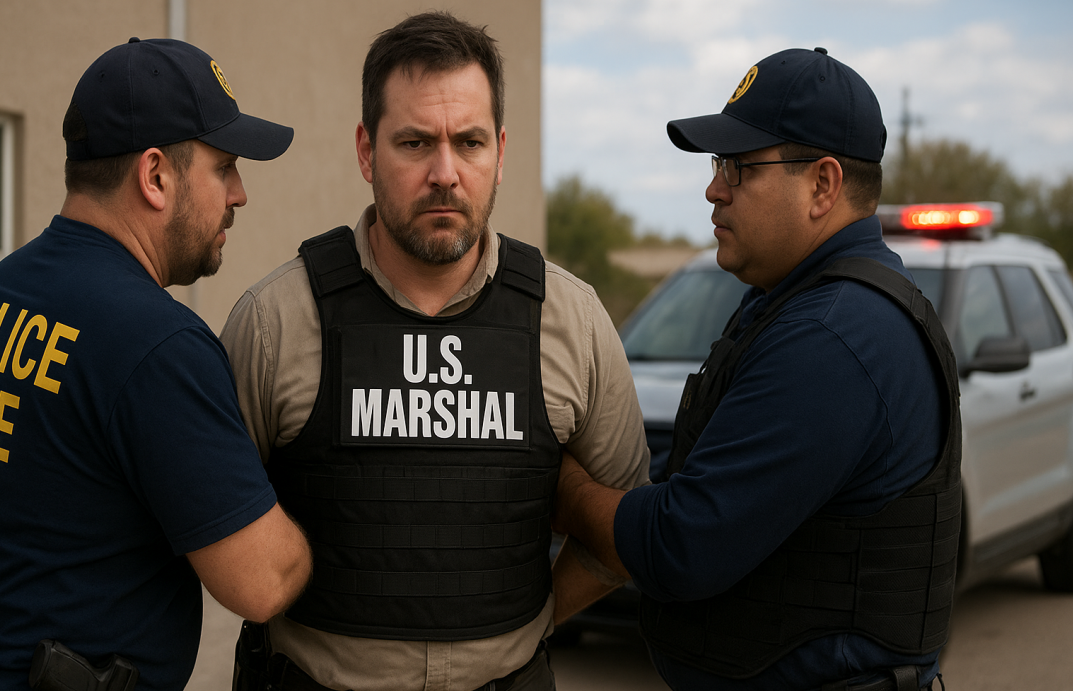
The incident titled ICE Agents Mistakenly Detain U.S. Marshal in Arizona has raised serious questions about law enforcement coordination, identification procedures, and operational communication within federal agencies. According to reports, a U.S. Marshal was mistakenly detained by Immigration and Customs Enforcement (ICE) agents during an enforcement operation in Arizona. Such an event is rare but highly significant because it involves two federal agencies that are expected to operate with precision and clear identification protocols. The situation quickly gained attention in media circles and sparked discussions about how such a mistake could occur in a highly structured law enforcement environment. This incident also highlights the complexities of field operations where multiple agencies may be working in overlapping jurisdictions. The confusion surrounding identity verification and communication breakdowns is central to understanding what went wrong. As federal agencies are responsible for maintaining law and order, even minor procedural errors can lead to major consequences. This article provides a detailed breakdown of the incident, its causes, implications, and the broader lessons it offers for law enforcement practices in the United States.
Background of ICE Operations in Arizona
Immigration and Customs Enforcement (ICE) conducts regular operations across the United States, including Arizona, which is a key border state with significant immigration enforcement activity. These operations often involve surveillance, detention of individuals suspected of immigration violations, and coordination with other federal and local agencies. Arizona’s geographical location makes it a high-priority region for enforcement due to cross-border movement and security concerns. ICE agents are trained to operate in fast-paced environments where quick decisions are required. However, such environments also increase the risk of misidentification, especially when multiple law enforcement agencies are active in the same area. The U.S. Marshal Service, which operates independently but often in coordination with other agencies, was indirectly involved in this case due to mistaken identity. Understanding the operational structure of ICE in Arizona helps explain how confusion might arise during field operations. It also emphasizes the importance of inter-agency communication protocols that are designed to prevent such errors from occurring.
How the Mistaken Detention Occurred
The ice agents mistakenly detain u.s. marshal in arizona incident reportedly occurred during a field operation where agents misidentified a U.S. Marshal as a suspect or unauthorized individual. Such situations can happen due to a lack of immediate identification signals, communication gaps, or rapidly evolving field conditions. Law enforcement operations often take place under pressure, where decisions must be made quickly. In this case, the misunderstanding escalated to the point where a federal marshal was temporarily detained. Although the situation was resolved once identities were clarified, it raised serious concerns about procedural accuracy. Misidentification in law enforcement can lead to operational setbacks and damage inter-agency trust. This incident serves as a reminder that even trained professionals can make errors when communication systems are not fully synchronized. It also highlights the importance of clear identification procedures, such as badges, credentials, and prior notification between agencies operating in the same area.
Role of Inter-Agency Communication
One of the key issues highlighted by this incident is the importance of communication between federal agencies. ICE, the U.S. Marshals Service, and other law enforcement bodies often operate in overlapping jurisdictions. Without proper communication, there is a higher risk of misunderstanding during field operations. In the Arizona case, the lack of immediate recognition contributed to the mistaken detention. Effective communication systems, including real-time coordination channels and operational briefings, are essential in preventing such incidents. Agencies typically share information before conducting operations in the same region, but gaps can still occur. This incident underscores the need for improved communication protocols and possibly more integrated systems that allow agents to verify identities instantly. Strengthening these systems can reduce the risk of future errors and improve overall operational efficiency.
Understanding Law Enforcement Identification Protocols
Law enforcement agencies rely heavily on identification protocols to distinguish between officers, suspects, and civilians. These protocols include badges, uniforms, credentials, and electronic verification systems. In high-pressure environments, however, these methods may not always be immediately effective. The Arizona incident demonstrates how even official personnel can be misidentified if proper verification steps are not followed. Agencies continuously update their protocols to enhance accuracy and reduce human error. This includes training programs that emphasize situational awareness and cross-agency recognition. Despite these efforts, real-world conditions can still lead to mistakes. The incident involving ICE and the U.S. Marshal highlights the need for constant review and improvement of identification systems to ensure accuracy in all operational scenarios.
Media Coverage and Public Reaction
The incident quickly gained media attention after being reported by various outlets, including NBC News, which helped bring national focus to the issue. Public reaction was mixed, with many expressing concern over how such a mistake could occur between federal agencies. Media coverage plays a crucial role in shaping public understanding of law enforcement actions, especially in sensitive cases like this. The widespread reporting also prompted discussions about accountability and procedural reforms. While some viewed the incident as an isolated error, others saw it as a sign of deeper systemic communication issues. The role of journalism in highlighting such incidents ensures transparency and encourages institutional improvements.
Impact on Federal Agency Relations – ICE Agents Mistakenly Detain U.S. Marshal in Arizona
Incidents like the ICE Agents Mistakenly Detain U.S. Marshal in Arizona can significantly affect the working relationship between federal agencies, especially those that regularly collaborate in field operations. Trust and coordination are the foundation of effective law enforcement, and when such unexpected mistakes occur, they can create temporary tension between departments. The ICE Agents Mistakenly Detain U.S. Marshal in Arizona case highlights how even highly trained agencies can experience communication gaps during fast-moving operations. These situations often lead to internal discussions, operational reviews, and policy reassessments to ensure that similar misunderstandings do not happen again. While these incidents usually do not cause permanent damage to inter-agency relationships, they do expose areas that require improvement, particularly in identification protocols and communication systems. The ICE Agents Mistakenly Detain U.S. Marshal in Arizona event also emphasizes the importance of maintaining strong professional trust between agencies to ensure smooth coordination in future operations. Strengthening cooperation, improving briefing procedures, and enhancing real-time communication channels are essential steps to prevent such errors. Ultimately, the ICE Agents Mistakenly Detain U.S. Marshal in Arizona situation serves as a reminder that even small missteps can impact federal collaboration, making continuous improvement necessary.
Legal and Procedural Implications – ICE Agents Mistakenly Detain U.S. Marshal in Arizona
The ICE Agents Mistakenly Detain U.S. Marshal in Arizona incident raises important legal and procedural questions regarding how federal law enforcement operations are conducted. Even though there was no malicious intent, the ICE Agents Mistakenly Detain U.S. Marshal in Arizona situation requires formal investigation to determine the exact cause of the error and whether standard procedures were properly followed. Internal reviews are typically conducted in such cases to examine communication logs, officer decisions, and operational protocols. These investigations help identify weaknesses in the system and recommend corrective actions to improve future performance. The ICE Agents Mistakenly Detain U.S. Marshal in Arizona case highlights the importance of accountability within federal agencies, as every action taken in the field must align with strict legal guidelines. Procedural accuracy is essential not only for maintaining operational integrity but also for preserving public trust. The ICE Agents Mistakenly Detain U.S. Marshal in Arizona incident also demonstrates how quickly misunderstandings can escalate when verification processes are not immediate or clear. Legal frameworks require agencies to continuously refine their protocols, ensuring that such errors are minimized. Ultimately, the ICE Agents Mistakenly Detain U.S. Marshal in Arizona case reinforces the need for strict procedural compliance and continuous oversight.
Training and Preparedness of Officers – ICE Agents Mistakenly Detain U.S. Marshal in Arizona
Training is one of the most critical elements in preventing incidents like the ICE Agents Mistakenly Detain U.S. Marshal in Arizona. Law enforcement officers undergo extensive preparation to handle high-pressure and unpredictable situations, but the ICE Agents Mistakenly Detain U.S. Marshal in Arizona case shows that real-world conditions can still lead to confusion. Continuous training ensures that officers remain updated on identification protocols, inter-agency communication, and situational awareness techniques. The ICE Agents Mistakenly Detain U.S. Marshal in Arizona incident highlights the need for stronger emphasis on recognizing allied personnel in the field, especially during joint or overlapping operations. Practical drills, scenario-based training, and communication exercises can help reduce the risk of misidentification. Even highly experienced officers can face challenges when operating in dynamic environments, which is why refresher training is essential. The ICE Agents Mistakenly Detain U.S. Marshal in Arizona situation also emphasizes the importance of mental preparedness, ensuring that officers can make accurate decisions under pressure. Agencies must continuously invest in training programs that reflect real-world complexities. Ultimately, the ICE Agents Mistakenly Detain U.S. Marshal in Arizona case demonstrates that preparedness is a continuous process, not a one-time requirement.
Technology in Law Enforcement Operations – ICE Agents Mistakenly Detain U.S. Marshal in Arizona
Modern law enforcement heavily depends on technology to improve accuracy and efficiency, and the ICE Agents Mistakenly Detain U.S. Marshal in Arizona incident highlights both the strengths and limitations of these systems. Advanced tools such as digital identification systems, secure communication devices, and real-time databases are designed to reduce human error. However, the ICE Agents Mistakenly Detain U.S. Marshal in Arizona case shows that technology alone cannot completely eliminate misidentification if human verification fails. When properly integrated, these systems allow officers to quickly confirm identities and coordinate with other agencies during field operations. In the ICE Agents Mistakenly Detain U.S. Marshal in Arizona situation, improved technological coordination might have helped prevent confusion at an earlier stage. Continuous investment in AI-driven identification tools and inter-agency communication platforms can further enhance operational safety. However, human judgment remains essential, as technology must always be supported by trained professionals. The ICE Agents Mistakenly Detain U.S. Marshal in Arizona incident serves as a reminder that balanced integration of technology and training is necessary for effective law enforcement. Ultimately, the ICE Agents Mistakenly Detain U.S. Marshal in Arizona case underscores the need for ongoing innovation in policing systems.
Public Safety and Accountability Concerns – ICE Agents Mistakenly Detain U.S. Marshal in Arizona
Public safety and accountability are central responsibilities of all law enforcement agencies, and the ICE Agents Mistakenly Detain U.S. Marshal in Arizona incident brings these issues into focus. When such mistakes occur, they raise questions about operational reliability and decision-making processes. The ICE Agents Mistakenly Detain U.S. Marshal in Arizona case demonstrates how quickly public confidence can be affected when federal agencies are involved in unexpected errors. Citizens expect law enforcement to operate with precision, professionalism, and transparency at all times. Although mistakes are sometimes unavoidable, how agencies respond to them is equally important. The ICE Agents Mistakenly Detain U.S. Marshal in Arizona situation highlights the need for clear communication with the public to maintain trust and credibility. Accountability mechanisms, including internal reviews and public reporting, play a key role in addressing concerns. The ICE Agents Mistakenly Detain U.S. Marshal in Arizona incident also emphasizes the importance of ensuring that all personnel follow strict verification procedures during operations. Ultimately, maintaining public trust requires continuous improvement, transparency, and a commitment to correcting systemic weaknesses identified in cases like the ICE Agents Mistakenly Detain U.S. Marshal in Arizona.
Internal Review and Investigation Process – ICE Agents Mistakenly Detain U.S. Marshal in Arizona
Following incidents such as the ICE Agents Mistakenly Detain U.S. Marshal in Arizona, agencies typically initiate formal internal reviews to determine what went wrong. The ICE Agents Mistakenly Detain U.S. Marshal in Arizona case would involve a detailed examination of communication records, operational decisions, and officer actions to identify the root cause of the error. These investigations are essential for ensuring accountability and preventing similar mistakes in the future. The ICE Agents Mistakenly Detain U.S. Marshal in Arizona incident highlights how important it is for agencies to maintain transparent and structured review systems. The goal of such investigations is not only to assign responsibility but also to improve procedures and strengthen operational effectiveness. Findings from the ICE Agents Mistakenly Detain U.S. Marshal in Arizona review would likely be used to update training programs, communication protocols, and identification systems. These corrective measures help build a more reliable and efficient law enforcement structure. Ultimately, the ICE Agents Mistakenly Detain U.S. Marshal in Arizona situation reinforces the importance of continuous evaluation and improvement within federal agencies.
Importance of Coordination in Field Operations – ICE Agents Mistakenly Detain U.S. Marshal in Arizona
Effective coordination is essential in preventing incidents like the ICE Agents Mistakenly Detain U.S. Marshal in Arizona. Field operations involving multiple agencies require clear communication, shared planning, and real-time updates to avoid misunderstandings. The ICE Agents Mistakenly Detain U.S. Marshal in Arizona case demonstrates how lack of coordination can lead to confusion even among trained professionals. Proper pre-operation briefings ensure that all personnel are aware of each other’s roles and presence in the field. The ICE Agents Mistakenly Detain U.S. Marshal in Arizona incident also highlights the importance of maintaining open communication channels during active operations. Without coordination, the risk of misidentification increases significantly, especially in high-pressure environments. Agencies must work together to develop standardized protocols that improve mutual recognition and operational awareness. The ICE Agents Mistakenly Detain U.S. Marshal in Arizona situation serves as a reminder that coordination is not optional but essential for safe and efficient law enforcement. Ultimately, better planning and communication can prevent similar incidents in the future.
Lessons for Future Law Enforcement Practices – ICE Agents Mistakenly Detain U.S. Marshal in Arizona
The ICE Agents Mistakenly Detain U.S. Marshal in Arizona incident provides valuable lessons for improving future law enforcement practices. One of the most important takeaways is the need for stronger verification systems to prevent misidentification. The ICE Agents Mistakenly Detain U.S. Marshal in Arizona case also highlights the importance of communication, training, and coordination in reducing operational errors. Agencies must continuously refine their procedures to ensure that all personnel can quickly and accurately identify one another during field operations. The ICE Agents Mistakenly Detain U.S. Marshal in Arizona situation shows that even minor gaps in protocol can lead to significant misunderstandings. Strengthening inter-agency collaboration and improving technological support systems are essential steps forward. Continuous learning from such incidents helps build a more efficient and reliable law enforcement framework. Ultimately, the ICE Agents Mistakenly Detain U.S. Marshal in Arizona case serves as a powerful reminder that improvement is an ongoing process in public safety operations.
Explore More News and Updates
For more related updates and detailed reports on similar incidents, visit the News Category section for ongoing coverage and analysis.
Conclusion
The ICE Agents Mistakenly Detain U.S. Marshal in Arizona incident serves as a significant reminder of how complex and sensitive modern law enforcement operations have become. Even though the mistake was identified and corrected quickly, it exposes important gaps in communication, coordination, and field-level identification procedures between federal agencies. In environments where multiple agencies operate simultaneously, even a small misunderstanding can escalate into an operational error, highlighting the need for stronger inter-agency awareness and real-time verification systems. This incident also reinforces the importance of continuous training, ensuring that officers are fully prepared to recognize allied personnel under fast-moving and high-pressure conditions.
As law enforcement agencies continue to modernize, the integration of advanced technology, improved communication networks, and standardized protocols will play a crucial role in reducing such incidents in the future. However, technology alone is not enough; human judgment, discipline, and clear operational procedures remain equally important. The case also emphasizes that maintaining public trust depends on transparency, accountability, and a commitment to learning from mistakes. Ultimately, this incident should be viewed as an opportunity for improvement, helping agencies strengthen their systems and ensure greater safety, accuracy, and efficiency in all future operations.
Visit the Note Ripple website to get information on more different topics.














Leave a comment